
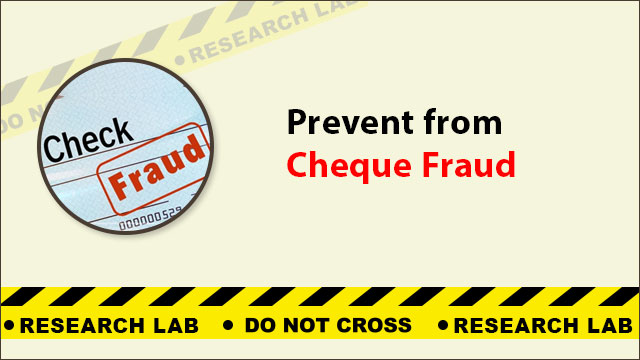
Cheque fraud in India is rising sharply. Criminals use fake cheques, altered amounts, and stolen cheque books to defraud individuals and businesses. The Reserve Bank of India has introduced the Positive Pay System to combat this. However, individual vigilance remains the most effective defence.
What Are the Types of Cheque Fraud in India?
1. Fake Cheques
Fraudsters create realistic-looking counterfeit cheques by copying data from genuine ones. The unsuspecting payee or bank accepts the cheque without detecting the forgery. By the time it bounces, the fraudster has already received goods or cash.
2. Cheque Alteration
In another common type, fraudsters tamper with an original cheque to change the amount, date, or beneficiary name. This may be done with bleaching chemicals or by writing over existing entries. The RBI’s Positive Pay System helps detect alterations by requiring the issuer to pre-confirm cheque details for high-value amounts.
3. Magic Ink Fraud
Similarly, fraudsters use erasable or disappearing ink to write the original details on a cheque. Once the ink fades, they fill in their preferred amounts or payee names. Always use a permanent ballpoint pen when writing cheques.
4. Cheque Theft
Additionally, a criminal steals a signed blank cheque or one intended for a legitimate payee. The fraudster deposits it to their own account. Always keep your cheque book in a secure location and report any loss to your bank immediately.
How to Prevent Cheque Fraud in India?
- First, never sign a blank cheque — Always fill in the payee’s name, the exact amount in words and figures, and the date before signing.
- Additionally, use account payee crossings — Issue crossed cheques marked “A/C Payee Only” to ensure the cheque can only be deposited into the named payee’s account, preventing misuse.
- Also, leave no blank spaces — Draw a line through any empty space on the cheque to prevent additions being made after signing.
- Moreover, use a permanent pen — Avoid erasable pens or pencils. A permanent ballpoint pen prevents the magic ink trick from being effective.
- Furthermore, correctly cancel unused cheques — Before cancelling, remove the MICR band and write “CANCELLED” in full across the face of the cheque.
- In addition, keep records of all issued cheques — Note the date, payee, amount, and cheque number for every cheque you issue. Store your chequebook securely.
- Finally, register for the Positive Pay System — For cheques above ₹50,000, confirm the details (payee name, amount, date) with your bank via net banking or mobile banking before the cheque is presented. This prevents most forms of alteration fraud.
- Report lost or stolen cheques immediately — Contact your bank to stop payment and report the incident. Also review credit card fraud prevention measures as both involve payment instrument abuse.
What Is the RBI Positive Pay System?
In response to rising fraud, the Reserve Bank of India’s Positive Pay System, introduced in 2021, requires the issuer to electronically confirm key details of high-value cheques (typically above ₹50,000) to their bank before the cheque is processed. If the details do not match on presentation, the bank flags it for verification. This significantly reduces successful cheque alteration fraud.
How to Report Cheque Fraud in India?
- First, notify your bank’s branch immediately and request a stop payment
- Then, call the National Cyber Crime Helpline: 1930
- Furthermore, file a complaint at cybercrime.gov.in
- Lodge an FIR at your nearest police station or cyber crime cell
Therefore, if you have been a victim of cheque fraud, contact cyber expert Anuraag Singh for digital forensic investigation and legal guidance.