
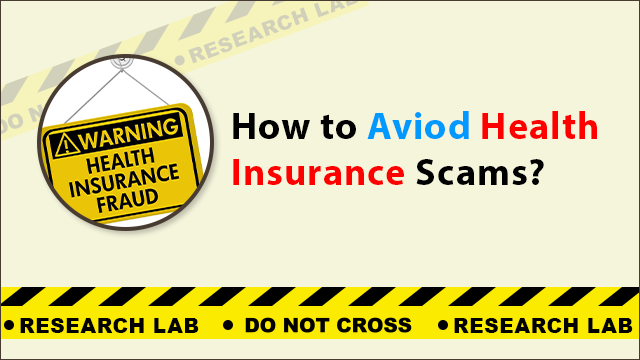
Health insurance scams defraud both policyholders and insurance companies by fabricating claims, falsifying applications, or impersonating government officials to steal personal and financial data. In India, the health insurance sector faces significant losses from fraud each year. Knowing the common types and warning signs helps you protect yourself from becoming a victim.
What Are Health Insurance Scams?
Health insurance fraud is any deliberate act of deception intended to obtain unauthorized financial benefit from an insurance policy. Fraudsters operate on multiple sides: criminals who trick policyholders into disclosing personal information or paying illegitimate fees, and dishonest policyholders or medical professionals who submit false or inflated claims to insurance companies.
The impact is significant — fraud drives up premiums for honest policyholders and erodes trust in the insurance system. Insurance fraud in India is an offense under the Insurance Act, 1938, and can also attract charges under the Indian Penal Code for cheating (Section 420 IPC) and forgery.
What Are the Common Types of Health Insurance Fraud?
1. Claim Fraud
Claim fraud is the most prevalent form of health insurance fraud. It occurs when a policyholder submits false medical bills, inflates treatment costs, or files claims for treatments that never occurred. In some documented cases, policyholders have fabricated medical invoices from non-existent hospitals to collect claim payouts. Insurers typically detect this through data analytics that identify anomalous billing patterns.
2. Application Fraud
Application fraud involves providing false or incomplete information when purchasing a health insurance policy. Common examples include hiding pre-existing medical conditions, misrepresenting lifestyle factors (smoking, alcohol use), or providing incorrect age or income details that would otherwise increase the premium. If the insurer discovers the fraud at claim time, the policy may be voided and the claim denied.
3. Eligibility Fraud
Eligibility fraud occurs when a policyholder files claims for treatments, medications, or conditions that are not covered under their specific policy. This can happen deliberately (knowingly claiming for an excluded treatment) or unintentionally (misunderstanding policy coverage). Reading your policy document carefully — particularly the exclusions section — is essential to avoid unintentional eligibility issues.
4. Provider Fraud
Healthcare providers commit fraud by billing for services not rendered, upcoding (billing for more expensive services than were provided), or duplicating claims. In some cases, providers collaborate with policyholders to split fraudulent claim payouts. This type of fraud is most harmful to insurance companies but ultimately affects all policyholders through higher premiums.
5. Identity and Policy Theft
Fraudsters steal personal information to create fake insurance policies or file claims under someone else’s identity. They may also take out policies in the name of critically ill individuals to collect death benefits. This is related to the broader problem of identity document fraud in India, where Aadhaar and PAN details are used to obtain financial products fraudulently.
What Are the Warning Signs of a Health Insurance Scam?
- Someone poses as a government or insurance official and demands payment or personal data over phone or WhatsApp. IRDAI (Insurance Regulatory and Development Authority of India) and government agencies never request personal financial information through unsolicited calls.
- You are asked to pay a fee to receive a new health insurance card, update your policy, or process a claim. Legitimate insurers do not charge cardholders fees for policy documentation.
- You are offered a medical discount card that appears to replace health insurance. Discount plans are not insurance; they do not cover hospitalization costs. Always verify the product type and the IRDAI registration of the insurer before purchasing.
- An agent requests sensitive financial details — bank account numbers, OTPs, PAN card, or Aadhaar number — to provide you with a quotation. No insurer requires this information for a simple premium estimate.
- Pressure to make immediate decisions — scammers create urgency (“this offer expires today”) to prevent you from verifying the legitimacy of the agent or policy.
- The agent is not registered with IRDAI. All genuine insurance agents in India must be licensed. Verify an agent’s registration at the IRDAI official website (irdai.gov.in).
How to Protect Yourself from Health Insurance Scams?
- Buy directly from the insurer or through the official IRDAI-registered portal to eliminate the risk of fraudulent intermediaries.
- Never share OTPs, bank details, or Aadhaar/PAN numbers with anyone claiming to be an insurance agent or government official over phone or messaging apps.
- Read the policy document carefully before signing — particularly the exclusions, waiting periods, and claim conditions. If anything is unclear, contact the insurer directly.
- Verify agent registration through the IRDAI portal before making any payment or disclosure.
- File claims honestly — submitting false or inflated claims is fraud that exposes you to criminal liability even if no insurer complaint is filed initially.
- Enable two-factor authentication on your insurance portal accounts and email to prevent unauthorized policy modifications.
What to Do If You Have Been Victimized by Health Insurance Fraud?
- File a complaint with your insurance company’s fraud investigation unit immediately.
- Report the fraud to IRDAI at igms.irda.gov.in or call the Bima Bharosa helpline at 155255.
- If a cybercrime or identity theft is involved, file a complaint at cybercrime.gov.in or call Helpline 1930.
- File a First Information Report (FIR) at your local police station if criminal fraud has occurred.
For complex cases involving organized insurance fraud or identity theft, engaging a cyber expert ensures that digital evidence is properly preserved for law enforcement and litigation. Contact us for assistance.