
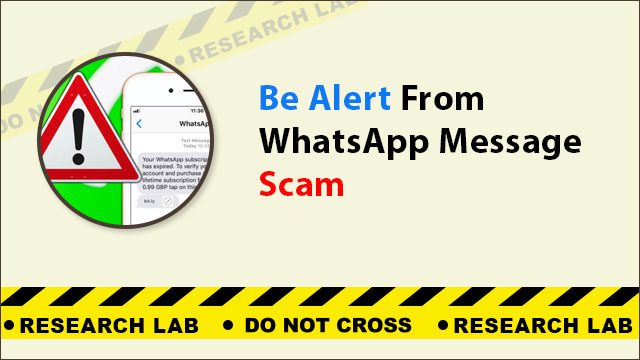
“Excuse me, who are you?” WhatsApp scam is a social engineering fraud that starts with an innocent-sounding message from an unknown number, then progresses through flattery and trust-building to blackmail, extortion, or romance fraud. It is one of the most widespread WhatsApp scams in India and globally. Here is exactly how it works and how to protect yourself.
What Is the “Excuse Me, Who Are You?” WhatsApp Scam?
The scam begins when a stranger sends you a WhatsApp message saying: “Excuse me, who are you? I found your number in my contacts.” Once you respond, the fraudster — often using an attractive or professional-looking profile photo — asks about your name, occupation, and personal life, offering compliments and building rapport. The goal is to gain your trust so they can either steal your money, extort you using personal photos, or recruit you into a financial scam.
How Does This WhatsApp Scam Work Step by Step?
Step 1: Initial Contact
The scammer sends the opening message from an unknown number, often claiming it is a mistake or that they found your number in their old contacts. They appear friendly and harmless.
Step 2: Trust Building
Over days or weeks, the fraudster asks questions about your life, family, and work. They share fabricated stories about their own successful life to create a sense of connection. They may request that you connect on Instagram or Facebook to “get to know each other better” — giving them access to your public posts, photo albums, and friend list.
Step 3: The Trap
The scammer then uses one of several approaches: they request intimate photos or video calls (sextortion), they introduce a “profitable investment opportunity” (investment fraud), or they fabricate an emergency and ask for financial help (romance scam). If they have obtained photos, they threaten to share them with your contacts unless you pay.
Step 4: Blackmail
Once the victim pays, demands increase rather than stop. The cycle continues until the victim reports to police or cuts contact entirely. Paying never resolves the extortion. Read our guide on what to do if someone is blackmailing you on social media for immediate action steps.
What Are the Warning Signs of This Scam?
- An unsolicited message from an unknown number claiming to have “found” your contact.
- Unusually quick friendship or romantic interest — escalating within days of first contact.
- Requests to connect on Instagram or Facebook before meeting in person.
- Requests for intimate photos or video calls from someone you have never met in person.
- A sudden “investment opportunity” or claims of earning large amounts through a cryptocurrency or trading platform.
- Threats to expose you unless you pay money or send more photos.
How to Protect Yourself from WhatsApp Scams?
- Do not respond to messages from unknown numbers — Simply ignore and block the contact. No response is always safer than any response.
- Never send intimate photos or videos to anyone you have not met in person — Once sent, you lose control of that content permanently.
- Do not click on links sent by unknown contacts — These may install malware or direct you to a phishing site. See our guide on WhatsApp link redirect scams.
- Review your WhatsApp group privacy settings — Go to Settings → Account → Privacy → Groups and set it to “My Contacts” or “My Contacts Except” to prevent unknown people from adding you to groups.
- Block and report suspicious contacts immediately — Open the conversation, tap the sender’s name, scroll to “Report Contact”, and also select Block to prevent further contact.
- Never pay money to a blackmailer — Payment does not stop the extortion; it signals that you will comply with demands and invites further threats.
How to Report the “Excuse Me, Who Are You?” WhatsApp Scam in India?
- National Cyber Crime Helpline: Call 1930 to report WhatsApp fraud or blackmail immediately.
- Online portal: File a complaint at cybercrime.gov.in.
- Cyber crime police station: File an FIR with screenshots of all conversations, the scammer’s phone number, and any payment receipts.
For professional assistance with WhatsApp fraud investigation and digital evidence collection, contact cyber expert Anuraag Singh.